Skip permits and rubbish removal rules in Hammersmith
Posted on 23/10/2026

If you are planning a clear-out, renovation, garden tidy-up or a business refit, the rules around skip permits and rubbish removal rules in Hammersmith can save you a lot of hassle. Get them wrong and you may end up with delays, extra charges, or a skip that cannot be placed where you expected. Get them right, and the whole job feels oddly simple. Well, as simple as clearing a loft or a pile of builders' waste ever gets.
This guide explains what skip permits are, when they matter, how rubbish removal works locally, and how to choose the most practical option for your job. You will also find a clear step-by-step approach, common pitfalls, and a few real-world pointers that are easy to miss if you have never hired a skip or booked waste collection before.
To keep things easy to navigate, here is a quick guide to the main sections.
- Why the rules matter
- How skip permits and rubbish removal work
- Key benefits and practical advantages
- Who needs this and when it makes sense
- Step-by-step guidance
- Expert tips for better results
- Common mistakes to avoid
- Tools, resources and recommendations
- Law, compliance and best practice
- Options and comparison
- Case study example
- Practical checklist
- Conclusion
- Frequently asked questions
Why Skip permits and rubbish removal rules in Hammersmith Matters
Hammersmith is busy, built-up, and full of narrow streets, shared access points, controlled parking areas, and all the little urban complications that make waste disposal a bit more involved than people expect. That is why skip permits and rubbish removal rules in Hammersmith matter so much. A skip cannot just appear on the road because it is convenient. In many situations, placing one on a public highway requires permission first, and the collection method you choose needs to fit the property, access, and waste type.
Let's face it: nobody wants a skip taking up half the street while neighbours grumble and a ticket risk sits on the dashboard of every parked car nearby. And nobody wants a pile of rubble sitting in the hallway because the builder said it would be sorted "later". Rules are there to keep things safe, legal, and fair for everyone using the road or pavement.
There is also the practical side. Correct waste handling helps avoid blocked access, complaints from neighbours, and issues if you are working in a managed building, estate, or commercial unit. In an area like Hammersmith, where access can be tight and timing matters, planning ahead makes a real difference. Truth be told, most waste problems start with assumptions rather than bad intentions.
Beyond convenience, there is a duty of care element too. Waste needs to be handled responsibly, sorted properly where possible, and transferred to the right place. If you are a homeowner, landlord, contractor, or business owner, the risks of cutting corners are not worth it.
How Skip permits and rubbish removal rules in Hammersmith Works
The basic idea is straightforward. If a skip is staying on private land, such as a driveway, forecourt, or private yard, you usually do not need a permit. If it will be placed on a public road, kerbside bay, or pavement area, permission is typically required before the skip arrives. The exact process depends on the local highway authority and the conditions attached to the placement. It is one of those topics that sounds dull until you are standing in the street with a delivery slot on the clock.
Rubbish removal works differently. Instead of leaving a skip on site, a team collects the waste directly from your property, loads it onto a vehicle, and removes it in one visit. That can be very handy where parking is limited, the job is awkward, or you simply do not want a container sitting outside for several days.
In practice, the choice often comes down to access and volume:
- Skip hire suits larger projects, phased clear-outs, or ongoing work where waste builds up over time.
- Rubbish collection suits one-off loads, urgent clearances, or places where a skip would cause access issues.
- Specialist removal may be better for bulky items, office contents, garden waste, or mixed builder's waste.
You may also notice that different waste types need different handling. General household rubbish, rubble, plasterboard, timber, green waste, furniture, and electrical items are not always treated the same way. Some materials can be mixed, some cannot, and some are better kept separate if you want a smoother, more economical removal. A skip filled with the wrong mix can become awkward very quickly.
Internal building access is another factor. If your property is up several flights of stairs or on a narrow mews-style street, skip hire may still work, but rubbish removal often becomes the less stressful option. That said, each job is different. A small bathroom strip-out and a full loft clearance are not the same beast at all.
Key Benefits and Practical Advantages
Choosing the right approach to skip permits and rubbish removal rules in Hammersmith is not just about compliance. It can make the job cleaner, faster, and less stressful from start to finish.
1. Fewer delays
When a permit or access plan is sorted early, the waste removal schedule is far less likely to collapse at the last moment. That matters on renovation days, move-out days, and end-of-tenancy clearances, where timing is usually tight.
2. Better use of space
A skip on the road can be practical, but it also takes up valuable space. In Hammersmith, where parking is already at a premium, rubbish removal or a private-land skip can be much more efficient.
3. Safer working conditions
Loose waste dumped in piles around a site can create trip hazards, block fire exits, and make even simple jobs feel messy. A proper removal plan keeps walkways clearer and helps everyone move safely.
4. Less stress with neighbours and building managers
In a flat block or residential street, people notice these things. A skip placed without permission, or left in the wrong place, can trigger complaints. A tidy, planned removal usually avoids that awkward knock on the door.
5. Better waste segregation
Professional rubbish removal can make it easier to separate items for recycling, re-use, or specialist disposal. That is especially useful for mixed domestic waste, furniture, and renovation debris.
6. More flexible for urgent jobs
If you need to clear waste quickly, collection can be the simplest answer. No waiting around for a permit slot, no guessing whether there will be enough road space, no lingering container outside. Handy, really.
A small but important advantage is peace of mind. When the process is understood upfront, the whole job feels less risky. And that counts for a lot when you are already juggling builders, tenants, or a move.
Who This Is For and When It Makes Sense
This topic matters to a surprisingly wide group of people. If you are in Hammersmith and need to move waste legally and efficiently, there is a good chance you will need at least one of these options.
- Homeowners doing a renovation, declutter, kitchen refit, loft clear-out, or garden project
- Landlords and letting agents dealing with left-behind contents, end-of-tenancy waste, or pre-let refreshes
- Contractors and builders needing builders' waste clearance or a container for ongoing works
- Businesses clearing office furniture, archive waste, packaging, or refit debris
- Estate managers and residents' associations coordinating access-heavy or shared-space clearances
- Event organisers handling temporary spikes in waste after a venue setup or local function
It makes sense to think about the right option when the waste volume is more than a few bin bags, or when you are dealing with heavy, awkward, or mixed items. A couple of chairs and some cardboard? Probably collection is enough. Half a bathroom, broken cupboards, timber offcuts, and rubble? That usually pushes you towards a skip or a larger clearance service.
There is also a planning question. If you are working to a fixed deadline, such as a tenancy handback or a contractor schedule, you need a method that can be lined up cleanly. A skip can be excellent for staged work. A collection can be better if the area has access issues or short parking windows. Which one is less likely to give you a headache on the day? That is the real question.
If you are comparing wider clearance services as well, the services overview is a useful place to understand how different waste jobs are usually handled.
Step-by-Step Guidance
If you want the process to go smoothly, follow a simple sequence. Not glamorous, but effective.
- Assess the waste type and volume. Start by grouping what needs removing: general rubbish, bulky items, green waste, rubble, timber, or mixed renovation waste.
- Check where the waste will sit. If a skip would need to go on a road or pavement, plan for a permit. If you have private space, see whether access is genuinely practical.
- Measure access carefully. Narrow gates, low branches, parked cars, steps, and alleyways can all affect what is realistic. This is where people sometimes underestimate the problem by quite a bit.
- Choose the removal method. Decide between skip hire and rubbish collection based on time, budget, and site conditions.
- Separate restricted items. Keep aside anything that may need special handling, such as electricals, liquids, paint, mattresses, or hazardous waste.
- Book in advance where possible. A simple time slot can save a lot of friction, especially in busy residential streets or during commercial refurbishments.
- Prepare the site. Clear parking spaces if needed, protect flooring, and leave a sensible path from the property to the collection point.
- Load safely. Put heavier waste at the bottom where appropriate, keep sharp edges controlled, and do not overload beyond what has been agreed.
- Confirm completion and documentation. For business or managed properties, it helps to keep a record of what was removed and when.
One practical detail people forget: timing around neighbours and parking. If your street is busiest at school run time or just before the evening rush, a poorly timed delivery can cause more trouble than the waste itself. A mid-morning slot can sometimes be the calmer choice. Small thing, but it helps.
Expert Tips for Better Results
Here are the kinds of things that tend to make a real difference in Hammersmith, especially on tighter residential streets or mixed-use roads.
Think about access before you think about price. A cheaper option is not much use if the vehicle cannot get in or the skip cannot be placed safely. Access problems are one of the biggest reasons waste jobs become awkward.
Keep waste streams separate where you can. Clean timber, green waste, metal, and general rubbish are easier to manage if they are not all bundled together. You may not always need separate containers, but organisation helps.
Ask about loading rules. A skip that is filled above the rim can become unsafe and may not be moved. The same goes for heavy rubble mixed carelessly with lighter waste. It sounds obvious, but people do it all the time.
Plan for stairs and carrying distance. On paper, a job can look tiny. In reality, carrying 20 bags down three flights of stairs and across a narrow foyer is another matter entirely. If the route is long or awkward, factor that in from the start.
Use a collection service for speed, not just for convenience. When the job is urgent, rubbish removal can be the smoother choice because it avoids waiting for a skip to be delivered and returned. That can be a lifesaver on last-minute clear-outs.
Be honest about waste type. If there is plasterboard, soil, hardcore, or items that need specialist handling, say so early. It makes the quote and the collection plan more accurate.
Take a quick before-and-after photo. It sounds a bit fussy, but for landlords, agents, and commercial sites, a photo record can save arguments later. Nothing dramatic, just useful.
Use the wider support pages when you need them. If your project includes a full property clear-out, a house clearance in Hammersmith may fit better than a simple one-off collection. For offices, the office clearance service is often the more relevant route.
Common Mistakes to Avoid
Most issues with skip permits and rubbish removal rules in Hammersmith come from a handful of avoidable mistakes. The good news? They are usually easy to dodge once you know what to look for.
- Assuming a skip can go anywhere. Road or pavement placement usually needs permission. Do not leave this to chance.
- Underestimating volume. A "few bits and pieces" often becomes several trips' worth of waste once the job starts.
- Ignoring access limits. Low branches, parked cars, narrow entrances, and controlled bays can turn a simple job into a logjam.
- Mixing the wrong materials. Not all waste can be combined freely. Some materials need separate handling.
- Leaving loading to the last minute. If the team arrives and the site is not ready, you may lose time and money.
- Forgetting about neighbours or building rules. Shared properties often have their own expectations, and sometimes they are stricter than you expect.
- Picking the wrong service for the job. A skip is not always the answer, and a collection is not always enough.
There is also a quieter mistake people make: they focus too much on the waste and not enough on the route out of the property. Stairs, lifts, corridors, door widths, and parking bays all matter. In a busy London area, logistics are half the job.
If you want to avoid hidden extras, it helps to review how hidden fees can appear in rubbish removal before you book. It is a simple read, and honestly, worth the few minutes.
Tools, Resources and Recommendations
You do not need a toolkit the size of a builder's van to manage waste properly, but a few simple resources make life easier.
- Measuring tape for checking access width, gate openings, and available parking space
- Basic gloves and sturdy footwear for safe moving of light waste and sorting on site
- Labels or marker pens if you want to separate materials before removal
- Bin bags, boxes, or stackable containers for smaller items that need organising
- Camera or phone photos to document the site before and after clearance
- Building or landlord notes if you are working within managed premises
In terms of services, it helps to match the task rather than forcing one method to do everything. For example, if you are clearing a garage, the garage clearance option may be more suitable than hiring a skip just for a few bulky items. If the job is garden-heavy, the garden waste removal service can be a neater fit.
For broader help with mixed waste, the rubbish clearance service and waste removal service are both worth considering. If the issue is simply bulky items, furniture disposal may be the most direct route. The point is to keep the job proportionate. No need to overcomplicate it.
Law, Compliance, Standards, or Best Practice
When discussing skip permits and rubbish removal rules in Hammersmith, the safest approach is to treat compliance as part of the job, not an afterthought. Local rules can vary depending on placement, road space, property type, and the exact waste involved. In other words, do not guess.
Here is the plain-English version of the key best-practice points:
- Check whether the skip will be on public land. If it will, permission is likely needed before delivery.
- Keep the site safe. Skips and waste loads should not block pedestrian routes, emergency access, or visibility for road users.
- Do not mix prohibited or specialist waste with general rubbish. Some items need separate handling and disposal.
- Use a provider that is properly set up to manage waste responsibly. This matters for both household and commercial work.
- Maintain records where appropriate. Businesses and landlords often need a simple trail of what was removed and when.
If your job involves a construction or refurbishment phase, the standards get a bit stricter in practice because waste is generated steadily and can affect site safety. Builders' waste should be planned, not improvised. That is why dedicated services like builders' waste clearance in Hammersmith are often a better fit than a generic one-off clear-out.
There is also a duty of care mindset to keep in view. You want waste handled responsibly, transferred properly, and removed in a way that does not create avoidable risk. Sounds basic. It is. But basic is good when things are already busy.
Options, Methods, or Comparison Table
Choosing between a skip and rubbish removal is usually easier when you compare the main factors side by side.
| Option | Best for | Strengths | Watch-outs |
|---|---|---|---|
| Skip hire | Medium to large jobs, ongoing projects, staged waste buildup | Can hold a lot, good for long jobs, easy if you have private space | May need a permit if placed on public land; takes space; access needs planning |
| Rubbish collection | Quick clearances, awkward access, one-off loads | Fast, flexible, no skip sitting outside for days | May be less suitable for very large volumes or ongoing waste |
| Specialist clearance | House clearances, offices, furniture, garden waste, builders' waste | Matched to the type of waste, often more efficient and tidy | Needs clear information about the waste mix and access conditions |
In a lot of Hammersmith situations, the decision is surprisingly simple once you factor in access. If there is no good place for a skip and parking is tight, rubbish removal becomes the obvious choice. If the work runs over several days and you have private space, a skip can be the more economical and practical option. No magic. Just the right tool for the job.
Case Study or Real-World Example
Imagine a flat renovation near a busy stretch in Hammersmith. The plan is to remove old bathroom units, broken tiles, timber offcuts, packaging, and a few bulky items from the hallway cupboard. The contractor first considers a skip, but there is no private driveway and the street is already heavily parked. Putting a skip on the road would mean applying for permission and managing the knock-on effect of losing a space outside the property.
Instead, the team breaks the job into two parts. The lighter items and packaging are bagged and stacked neatly in one room, while the heavier waste is grouped close to the exit. A rubbish removal service is booked for a fixed window, and the collection is completed in a single visit. The hallway stays clear, the neighbours are not inconvenienced for several days, and the project keeps moving.
That kind of outcome is not unusual. In fact, it is pretty common in busy London neighbourhoods where access is the real bottleneck, not the waste itself. The winning decision is not always the cheapest on paper; it is the one that keeps the job on track. Simple as that.
For situations involving local event clean-up, a service like rubbish removal for events at Hammersmith Apollo can also show how important timing, access, and load planning are when waste builds up quickly.
Practical Checklist
Use this checklist before you book or begin the job:
- Have you identified the waste type and approximate volume?
- Do you know whether the waste will sit on private land or public land?
- Have you checked access width, steps, parking, and turning space?
- Have you separated anything that may need special handling?
- Do you know whether a skip permit is likely to be needed?
- Have you chosen between skip hire and rubbish collection based on the actual site conditions?
- Have you allowed time for loading, collection, or permit arrangements?
- Are neighbours, tenants, or building managers aware if they need to be?
- Have you thought about recycling or re-use for usable items?
- Do you have a simple record of what is being removed?
If you can tick most of those off, you are in a good place. If not, pause for a moment and sort the plan properly. That tiny delay can save a much bigger headache later.
Get a free quote today and see how much you can save.
Conclusion
Skip permits and rubbish removal rules in Hammersmith are not difficult once you understand the logic behind them. If a skip needs to sit on public land, permission matters. If access is tight, rubbish removal may be the cleaner answer. If the job is large, slow-moving, or highly mixed, a skip or specialist clearance service may still be the better fit. The real skill is matching the method to the space, the waste, and the timetable.
That is what keeps the job tidy, legal, and far less stressful. And honestly, in a busy area like Hammersmith, that is half the battle won. Choose well, plan early, and the rest usually falls into place. Not perfectly, maybe, but well enough to breathe easier.
When you are ready to take the next step, a clear, practical waste plan is usually worth more than a rushed one. A little foresight goes a long way, and it tends to show.



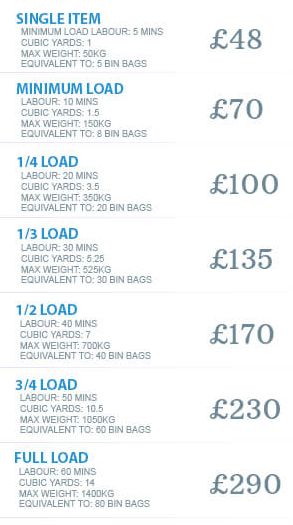
 Tipper Van - Rubbish Removal Prices in Hammersmith, W6
 Luton Van - Rubbish Removal Prices in Hammersmith, W6