Rubbish removal for events at Hammersmith Apollo
Posted on 16/06/2026
Rubbish removal for events at Hammersmith Apollo: a practical guide for smoother event clear-ups
If you are organising a show, private function, wrap party, conference, or brand activation near the Apollo, rubbish removal for events at Hammersmith Apollo is one of those tasks that can quietly make or break the whole night. Get it right, and the venue looks tidy, guests move safely, and the post-event handover feels calm. Leave it too late, and you end up with overflowing bags, broken packaging, awkward loading, and a very long end to an already long day.
This guide breaks down how event waste clearance works, what to plan for, who needs it, and how to avoid the usual headaches. It also covers sensible comparisons, compliance considerations, and a realistic step-by-step approach so you can make a solid decision without overthinking every bin bag. Because let's face it, event nights move fast. The rubbish does too.
Why Rubbish removal for events at Hammersmith Apollo Matters
Event waste is never just "the bins at the end". At a busy venue like the Apollo, rubbish builds up in layers: packaging from supplier deliveries, drink cups, catering waste, promotional materials, broken props, cable ties, cardboard, and the odd thing nobody quite remembers ordering. During a live event, that clutter can start to affect safety, movement, and the feel of the space surprisingly quickly.
There is also the guest experience to think about. Nobody wants to walk past a stack of black bags on the way out or see overflow around loading areas. A clean event environment feels organised, professional, and well managed. And after the event, fast clearance helps the venue reset without delay. That matters whether you are running a small private celebration or a full production with multiple teams working in the background.
For organisers, there is a practical side too. Event waste can include mixed materials, recyclable items, and bulky pieces that do not fit in standard bins. If you do not have a plan, the clean-up can drag into the next morning. The better approach is to treat waste removal as part of the event design, not an afterthought.
In our experience, the jobs that feel easiest are usually the ones where somebody asked one simple question early: "What will need removing, where will it collect, and when can it go?" That one question saves a lot of scrambling later.
How Rubbish removal for events at Hammersmith Apollo Works
Event rubbish removal usually starts well before the last guest leaves. A good service will look at the likely waste stream, the event schedule, access around the venue, and the amount of manpower needed. From there, the team can decide whether a same-night clear, early-morning collection, staged removal, or a combination makes the most sense.
For an Apollo event, the process often needs to account for tight time windows, shared access routes, and the fact that different parts of the event may finish at different times. A catering area might need clearing before the main room. Back-of-house waste might need several smaller collections. And bulky items often need to be removed separately so they do not block foot traffic.
A typical event waste removal plan follows this rhythm:
- Assess the event type, attendance level, and likely rubbish volume.
- Identify waste types: general waste, recycling, cardboard, food waste, bulky items, and any awkward material.
- Agree access times, loading points, and where waste will be staged.
- Set collection timing to match the event schedule.
- Remove, sort, and transport waste responsibly.
- Leave the area swept and ready for handover where agreed.
That sounds straightforward, and it often is, but the devil is in the timing. If you get a collection slot wrong by even half an hour on a busy night, you can create a bottleneck. One of the nicest things about an organised clearance plan is how boring it looks when it works. No drama. No pile-up. Just a space that quietly resets itself.
If you are comparing wider service options while planning the job, the site's services overview is a sensible place to understand how event clearance fits alongside other collection and disposal work.
Key Benefits and Practical Advantages
Good event rubbish removal is not only about tidiness. It affects operations, safety, guest flow, and the speed of the close-down. Here are the main advantages, in plain English.
- Cleaner guest areas: Less clutter means a better atmosphere and easier movement.
- Safer access routes: Clear floors, stairs, and backstage paths reduce trip hazards.
- Faster venue handback: Waste is out of the way before the final sweep and final check.
- Less pressure on staff: Your team can focus on guests, not endless bin runs.
- Better recycling outcomes: With the right setup, cardboard, drinks packaging, and other recoverable materials can be separated more cleanly.
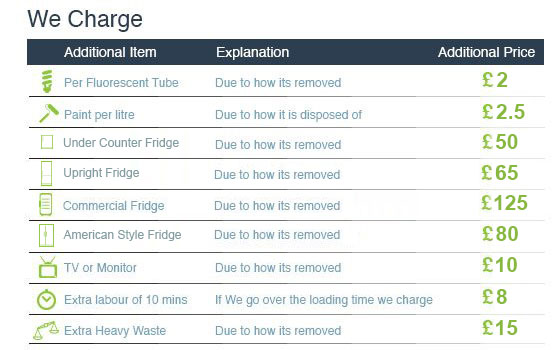
- More predictable costs: Planning waste in advance usually costs less than paying for emergency handling later. Usually. Not always, but often enough to matter.
There is also a reputational benefit that people underestimate. If your event is corporate, media-facing, or linked to a launch, the way the venue looks at 11:30 p.m. matters. If it is a private event, it still matters because nobody likes leaving a room that feels half-abandoned.
Expert summary: The best event waste plan is the one that is almost invisible on the night. It supports the programme, protects the space, and makes the close-down feel calm rather than chaotic.
Who This Is For and When It Makes Sense
Rubbish removal for events at Hammersmith Apollo is useful for a wide range of organisers, not just large production teams. If your event creates more waste than a normal room cleanup can handle, it probably makes sense to bring in structured removal support.
This is especially relevant for:
- concert promoters and production managers
- corporate event teams
- private hire organisers
- caterers and hospitality contractors
- brand activation and marketing teams
- stage, set, and exhibition crews
- venue support teams managing a busy turnaround
You also tend to need it when the event has one or more of these features:
- bulky packaging from equipment or decor
- lots of food and drink service waste
- repeated deliveries during the day
- limited storage for rubbish on site
- strict timing for access and departure
- mixed waste that cannot just be bundled into one bin area
A smaller event can sometimes be handled with a basic collection plan. But once the room is busy, the staff are stretched, and there is physical waste spreading into corridors or loading spaces, a dedicated rubbish removal setup starts to pay for itself. It is not glamorous, obviously. But then neither is sweeping confetti at midnight with one tired eye on the clock.
Step-by-Step Guidance
If you want the clean-up to feel controlled rather than improvised, this is the simplest way to organise it.
1. Estimate what the event will produce
Start with the basics: guest numbers, catering style, packaging, decor, signage, promotional materials, and any bulky assets. A seated dinner creates different waste from a standing reception. A concert production creates different waste again. You do not need a perfect forecast, just a sensible one.
2. Map the waste points
Work out where waste will appear most often. Think bar areas, catering zones, backstage spaces, dressing rooms, loading areas, and exits. A tiny bit of planning here makes the job much smoother. If bags need to travel through crowded guest areas, you have already added friction you could have avoided.
3. Separate waste streams where possible
Cardboard, general waste, food waste, and reusable materials should not all be dumped together if you can help it. Better separation means cleaner handling and usually better recycling outcomes. It also makes the removal team faster because they are not untangling everything on the spot.
4. Confirm timing and access
Event rubbish collection lives or dies on timing. Decide whether you need pre-event, during-event, or post-event collection. Confirm how the team will access the venue, what route they will use, and when the loading area will be clear. If the schedule is tight, build a small buffer. Trust me, that buffer is gold.
5. Prepare the staging area
Have a designated place for bags, boxes, and bulky items. It should be out of the way, easy to reach, and safe for staff to use. If bins are overfilled, they become a visual mess fast, and no one wants that hanging around in the corner of a polished event space.
6. Finish with a proper sweep-through
Once the main waste has gone, do a final check for bottle tops, tape, food scraps, packaging straps, and other small bits that always seem to hide under tables or along skirting boards. They are tiny, but they matter. A clean final pass is often what separates "done" from "properly done".
Expert Tips for Better Results
Here are the details that make a real difference when you are managing event waste near a busy venue.
- Use different bags for different waste types. It sounds obvious, but mixed bags slow everything down later.
- Label staging points. A simple handwritten label can stop confusion in a hectic close-down.
- Keep sharp items separate. Broken signage, glass, cable clips, and packaging strapping should be handled carefully.
- Do a mid-event reset if the event is long. For evening events, a mid-run tidy can stop the final clear becoming overwhelming.
- Plan for the awkward stuff. Large decor pieces, broken furniture, and oversized packaging are the items people forget in advance.
- Speak early with the venue team. A five-minute chat can reveal restrictions you would otherwise discover at the worst possible moment.
One small but useful trick: keep a couple of spare sacks and a box of gloves near the main waste point. It is mundane, yes, but when a bag splits or a container fills faster than expected, you will be glad they are there. Real life is messy like that.
If you are also dealing with furniture, props, or staging items after the event, it can help to look at related clearance support such as furniture disposal in Hammersmith or broader junk removal options to keep the plan neat and flexible.
Common Mistakes to Avoid
Event waste clearances are often derailed by the same few mistakes. None of them are complicated, which is exactly why they keep happening.
- Leaving waste planning too late: The clean-up should be discussed during event planning, not after the build starts.
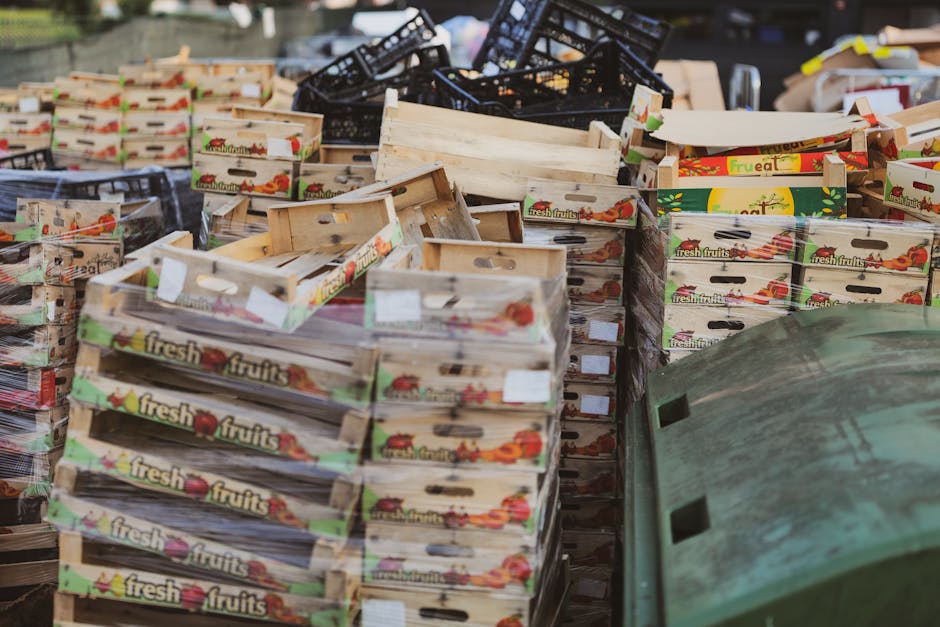
- Underestimating volume: Bags fill quicker than people think, especially with drinks service and packaging.
- Ignoring access constraints: A clear plan for loading and collection saves a lot of carrying back and forth.
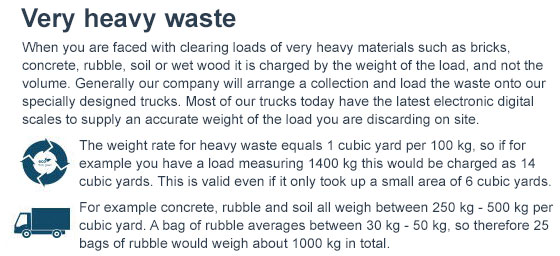
- Mixing bulky waste with general waste: This slows removal and can create handling problems.
- Forgetting post-event turnaround: If the space needs to be handed back quickly, waste timing matters even more.
- Assuming recycling will sort itself out: It usually won't. Somebody has to think about it first.
Another classic mistake is overrelying on venue bins. They are fine for small day-to-day waste, but event-scale disposal is a different beast altogether. Once the bags begin stacking near service routes, the whole room starts to feel smaller and more stressful. Not ideal.
Tools, Resources and Recommendations
You do not need a mountain of equipment, but a few practical tools make event clearance much easier.
Helpful on-site items
- strong refuse sacks
- labelled bins or containers
- gloves for staff handling waste
- trolleys or dollies for moving bags and boxes
- spill kit materials for accidental messes
- gaffer tape or tie wrap alternatives for bundling loose items
Useful planning documents
- waste plan with timed collection points
- access and loading notes
- contact list for event, venue, and clearance teams
- post-event checklist for final sweep and handover
If you are comparing clearance and disposal options more widely, the site's rubbish clearance service and waste removal support are useful reference points for understanding how different waste jobs are typically managed. For quote planning, the pricing and quotes page can help you think about scope before you book anything.
If your event setup includes heavy build materials, cases, or leftover construction-style debris from staging, the related builders waste clearance page is worth a look too.
Law, Compliance, Standards, and Best Practice
Event rubbish removal touches on a few areas where care matters: waste handling, safety, access management, and responsible disposal. You do not need to become a compliance specialist to run a good event, but you should make sure your removal arrangements are sensible and lawful for the kind of waste being produced.
In the UK, organisers and contractors generally need to think about proper segregation, safe handling, and using a competent waste carrier or removal team. If waste includes anything unusual, contaminated, sharp, heavy, or potentially hazardous, that needs extra attention. It is better to flag a problem early than to discover it in a rushed midnight clear-out.
Best practice usually means:
- keeping waste stored safely while awaiting collection
- preventing spillages and obstructed routes
- separating recyclable and general waste where feasible
- briefing staff so everyone knows where waste goes
- making sure collection timing does not interfere with public movement
- using a provider that treats disposal responsibly
Safety is part of compliance too. A loaded corridor, a bagged stack in the wrong place, or loose debris near an exit can create avoidable risk. If you want extra peace of mind on that side of things, the site's insurance and safety information is a useful place to understand the general approach.
There is also a broader responsibility to think about sustainability. Even for fast-turnaround event work, it is still worth considering what can be reused, separated, or recycled. The recycling and sustainability page gives a better sense of that mindset.

Options, Methods, or Comparison Table
There is no single right answer for event rubbish removal. The best method depends on timing, scale, access, and the type of waste involved. This table gives a simple comparison.
| Method | Best for | Advantages | Limitations |
|---|---|---|---|
| On-site bagging and end-of-night removal | Smaller events with manageable waste volumes | Simple, flexible, low setup | Can become messy if waste builds up quickly |
| Staged collections during the event | Long events or busy hospitality runs | Keeps areas clearer throughout the night | Needs timing and coordination |
| Dedicated post-event clearance | Big turnarounds and higher waste volumes | Efficient, orderly, less pressure on event staff | Requires a good handover and collection window |
| Mixed service with bulky-item removal | Events with decor, staging, or equipment leftovers | Handles awkward items cleanly | May need more planning than basic waste collection |
For many Apollo events, the best approach is a blended one: a bit of staged collection during the event, followed by a final clear after close. That way the room stays functional and the end-of-night work does not become a small disaster with bags.
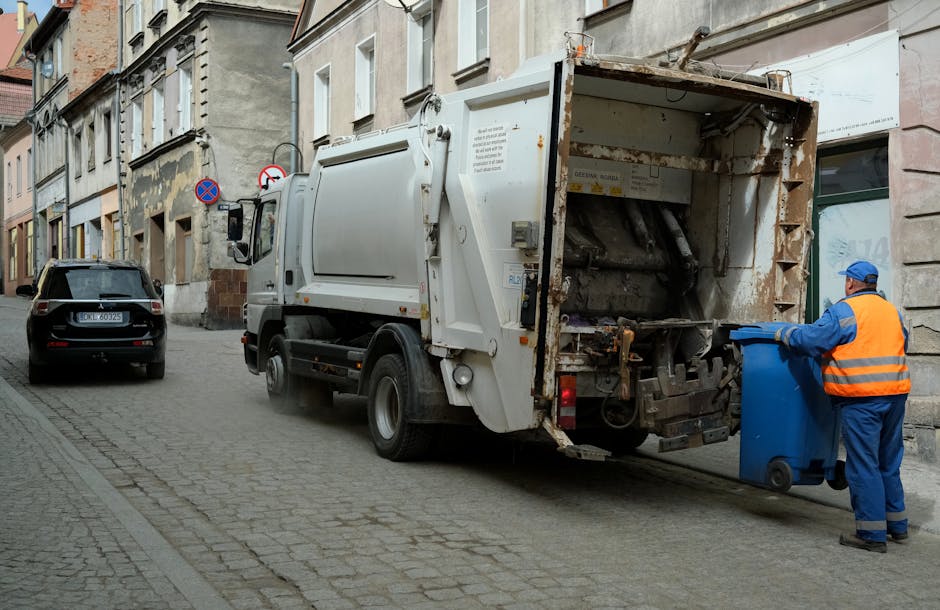
Some organisers compare this with skip hire, especially for large-volume clearances. Skips can make sense in some cases, but event access, loading points, and fast turnaround often make direct removal more practical. If the waste needs shifting quickly and discreetly, a truck-and-team approach is often the easier fit.
Case Study or Real-World Example
Picture a late-evening private event with catering, a small stage setup, branded backdrops, and a few hundred guests moving through the Apollo area. Throughout the evening, packaging from food service, drink service waste, napkins, cardboard inserts, and promotional materials begin to collect behind the scenes. Nothing dramatic. Just steady build-up.
By 9 p.m., the back-of-house area is already feeling tight. A sensible clearance plan handles this by moving waste into a designated holding point at intervals, rather than waiting for everything to pile up. As the event winds down, bulky decor and leftover boxes are separated from general rubbish, and a final collection clears the space in one go.
The result is not flashy. That is kind of the point. Staff finish sooner, the venue is tidier, and the organiser does not spend the next morning hunting for missing bags or checking whether something important was left behind. It is a good example of how practical planning quietly protects the whole event.
If you are interested in the wider local context around organising events in the area, the guide on the best venues for parties in Hammersmith is a useful companion read, especially if you are comparing event styles and logistical needs.
Practical Checklist
Use this checklist before the event, and again right before close-down.
- Confirm expected guest numbers and waste volume
- Identify waste types: general, recycling, food, cardboard, bulky items
- Choose collection timing: before, during, after, or staged
- Set a clear waste staging area
- Brief staff and suppliers on where waste goes
- Check loading access and any time restrictions
- Provide sacks, bins, gloves, and ties where needed
- Keep sharp or awkward items separate
- Leave time for a final sweep and handover check
- Plan a backup in case volume is higher than expected
Quick takeaway: If your event creates more than a few bags of mixed rubbish, a proper removal plan is usually worth it. The earlier you think about it, the cleaner the night runs.
Conclusion
Rubbish removal for events at Hammersmith Apollo is really about control. Control over timing, control over safety, control over how the event feels from start to finish. When the waste plan is strong, everything else tends to run a little easier. The room stays clear, staff stay calmer, and the close-down feels like a final step rather than a scramble.
Whether you are managing a live entertainment night, a corporate gathering, or a private celebration, the same principle applies: decide early, separate waste sensibly, and make sure the final collection fits the event timetable. That simple shift can save a lot of hassle. And a lot of heavy lifting too.
If you are planning an event and want a cleaner, more organised handover, start with a conversation about access, timing, and waste volume. From there, the rest becomes much more straightforward.
Get a free quote today and see how much you can save.


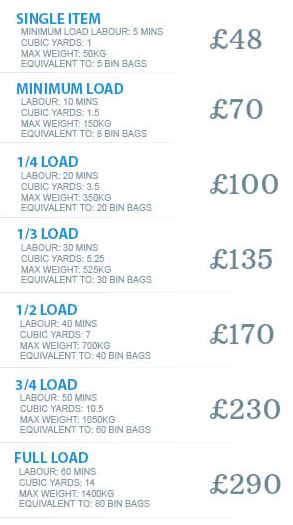
 Tipper Van - Rubbish Removal Prices in Hammersmith, W6
 Luton Van - Rubbish Removal Prices in Hammersmith, W6