Hammersmith Broadway rubbish collection options
Posted on 06/06/2026
Hammersmith Broadway rubbish collection options: a practical local guide
If you are trying to clear rubbish near Hammersmith Broadway, the first thing you notice is that there is rarely one neat answer. Some jobs are tiny, some are awkward, and some need to be done quickly because the flat, shop, office, or property is already turning into a bit of a bottleneck. That is where understanding the available Hammersmith Broadway rubbish collection options really helps. It saves time, keeps stress down, and can stop a small mess becoming a bigger, smellier one by Friday afternoon.
This guide walks through the main ways rubbish collection works around Hammersmith Broadway, who each option suits, what to watch out for, and how to choose a service that feels sensible rather than rushed. You will also find a comparison table, a practical checklist, and a few real-world examples from the sort of situations people run into all the time in this part of West London.

Why Hammersmith Broadway rubbish collection options Matters
Hammersmith Broadway is busy. Really busy. That matters because rubbish collection here is not just about taking bags away; it is about timing, access, building rules, pavement space, traffic, and whether the job can be done without creating chaos for neighbours or customers. In an area where flats sit above shops, office buildings sit beside residential streets, and deliveries come and go all day, a sensible waste plan makes life noticeably easier.
The right rubbish collection option also matters because different types of waste need different handling. A few bin bags from a flat move-out are one thing. Broken furniture, builders' rubble, office clear-outs, garden waste, or mixed junk from a storage room are another. If you pick the wrong approach, you may end up paying for extra trips, waiting longer than expected, or discovering that the load simply does not fit the method you chose. Bit annoying, that.
For local residents and businesses, a well-chosen service can also support better recycling, quicker turnaround, and less disruption. If you are comparing services across the area, it is worth looking at the broader range of waste removal services and then narrowing down to the most suitable fit for your situation.
Expert summary: The best rubbish collection option is usually not the cheapest-looking one on paper. It is the one that fits your waste type, access constraints, timing, and disposal needs without creating extra headaches.
How Hammersmith Broadway rubbish collection options Works
In practical terms, rubbish collection near Hammersmith Broadway usually starts with identifying what you need removed, how much there is, and where it is located. From there, the service choice tends to fall into a few familiar paths: one-off collection, booked rubbish clearance, skip hire, specialist disposal, or a broader clearance service for larger jobs.
Here is the simple version. If your waste is already bagged and ready, a collection can often be straightforward. If the waste is mixed, bulky, or tucked away in a loft, garage, office, or basement, you may need more hands-on clearance. If the material is heavy and you can keep it in one place for a while, skip hire can make sense. If you have items like sofas, wardrobes, or office desks, you may be better off using a targeted disposal service rather than trying to piece it together yourself.
That sounds obvious, but people often start from the wrong end. They think, "I need to get rid of this stuff," and jump straight to the first option they hear. Better to think: what kind of waste is it, how quickly do I need it gone, and how much effort do I want to spend moving it around? Those three questions solve a surprising amount.
If you need a general local service, the dedicated rubbish collection in Hammersmith page is a useful place to compare the core approach. For bigger or more complex jobs, you might also look at rubbish clearance or the broader waste removal service to see which model fits best.
Some collections are planned a day or two ahead, while others are arranged urgently. In real life, the local streets around the Broadway can be awkward at peak times, so a service that understands access, parking, and loading constraints is usually worth more than a slightly cheaper quote that looks good for about five minutes.
Key Benefits and Practical Advantages
There are a few reasons people choose a local collection service instead of trying to handle everything themselves. The most obvious one is convenience, but that only tells part of the story.
- Less lifting and less risk: bulky items, dusty loft waste, or builder's debris can be hard on your back and a nuisance in tight stairwells.
- Faster turnaround: when you need a room, shop floor, or office clear quickly, collection can remove the drag from the whole project.
- Better handling of mixed waste: the awkward stuff usually includes a bit of everything, and a flexible service deals with that more cleanly.
- Cleaner finish: a proper collection should leave the area tidy enough that you are not spending another hour sweeping up grit and bits of packaging.
- More suitable for local access: Hammersmith Broadway has traffic, footfall, and limited waiting space, so a well-organised collection can save a lot of faff.
There is also a quieter benefit: peace of mind. If you have ever stared at an overfull hallway or a pile of packaging after a renovation and wondered where on earth to begin, you already know the feeling. A good collection plan cuts straight through that. No drama. Just progress.
For people clearing a property before moving, those practical benefits can be especially important. If you are already juggling estate agents, keys, contractors, and deadlines, local background reading such as the Hammersmith property buying guide or the article on Hammersmith real estate deals can help frame the wider move-and-clear process too.
Who This Is For and When It Makes Sense
Hammersmith Broadway rubbish collection options are relevant to more people than you might think. It is not just for people doing big clear-outs. Quite the opposite, actually.
Typical situations
- Flat residents: end-of-tenancy waste, broken furniture, old mattresses, or moving-day junk.
- Homeowners: loft clutter, garage junk, garden waste, and general household clearing.
- Landlords and letting agents: quick turnaround between tenancies, especially where rubbish has been left behind.
- Offices and shops: desks, chairs, archive waste, packaging, and unwanted fixtures.
- Builders and trades: renovation offcuts, plasterboard, timber, rubble, and mixed site waste.
It also makes sense when the job is too awkward for regular household bins. A few bin bags are fine, sure. But when there is a pile of dismantled wardrobes, old shelving, or renovation waste in a third-floor flat, the normal bin route stops being realistic rather quickly.
If the waste is linked to a property move or a larger clear-out, some people also explore related services such as house clearance, office clearance, or loft clearance. Those options can be more suitable when the waste is scattered across rooms rather than sitting neatly in one place.
Step-by-Step Guidance
If you want the process to feel smooth, it helps to work methodically. The following steps are simple, but they prevent most avoidable delays.
- List what needs to go. Separate general rubbish, bulky items, recyclable materials, and anything that may need special handling.
- Estimate the volume. Think in practical terms: one room, a corner of a garage, a van load, or a full flat clear-out. If you are unsure, take a few photos.
- Check access. Note stairs, lifts, parking restrictions, narrow entrances, loading points, and any building rules. Hammersmith Broadway can be busy, so access matters more than people expect.
- Choose the right method. Decide between collection, clearance, skip hire, or a specialist disposal service based on waste type and timing.
- Ask what is included. Confirm labour, loading, recycling handling, and whether there are extra charges for difficult access or special items.
- Prepare the space. If possible, bring items together and keep walkways clear. It helps the team work faster and reduces the chance of accidental damage.
- Agree the timing. Pick a slot that suits your building, neighbours, or business hours. Early starts can be easier in busy areas, though not always, and that depends on the building.
- Keep proof of the service. For commercial jobs or property management, keep records of what was removed and any paperwork provided.
A small practical tip: take a quick phone photo of the waste before collection. Not because anyone expects drama, but because it gives you a clean before-and-after record. Handy for landlords, property managers, and mildly obsessive organisers alike.
Expert Tips for Better Results
To be fair, the difference between a decent collection and a truly painless one often comes down to small details. The waste itself is only half the story.
- Sort reusable items early: if there is anything that could be donated, reused, or sold, separate it before the collection day. Once it is in the clearance pile, it tends to stay there.
- Keep heavy items accessible: put the bulkiest pieces nearest the exit where possible. That can shave time off the job and reduce handling.
- Avoid mixing everything together: general rubbish, wood, metal, and electrical items are often easier to manage when grouped sensibly.
- Be honest about volume: underestimating the amount of waste usually causes more friction than overestimating it. If unsure, say so.
- Plan around traffic and neighbours: around the Broadway, timing can affect everything. A quiet mid-morning slot may work better than a chaotic lunchtime window.
- Use a provider with clear pricing: transparency matters. You want to know how the quote is built and what may change it.
It also helps to choose a company that explains disposal and recycling in plain English. The best services are normally the ones that are calm, straightforward, and not trying to hide the small print. If you are comparing providers, the pricing and quotes page is a useful place to understand how quotes are usually framed.
And yes, ask questions. Good questions are not annoying. They are how you avoid a headache later. Nobody wants to discover, after the van has arrived, that a single awkward item changes the whole plan.

Common Mistakes to Avoid
Most problems with rubbish collection are completely avoidable. That is the mildly irritating part. Here are the missteps that cause the most trouble in practice.
- Choosing the wrong service type: skip hire can be useful, but not if you have nowhere sensible to place the skip or need everything removed immediately.
- Ignoring access constraints: narrow staircases, no lift, parking restrictions, and busy roads can all affect how the job is done.
- Forgetting about item types: furniture, electricals, garden waste, and builders' materials may need different handling.
- Assuming all quotes are equal: they are not. One may include loading and disposal; another may be cheaper because it excludes key parts of the job.
- Leaving the sorting until collection day: that tends to create stress, delays, and a slightly panicked tone no one enjoys.
- Not asking about sustainability: if recycling is important to you, raise it early so expectations are clear.
One more thing: do not rely on "it'll probably fit." That phrase has caused more awkwardness than it should. If the pile looks borderline, treat it as borderline. Simple as that.
Tools, Resources and Recommendations
You do not need a toolkit the size of a builder's van to make this easier, but a few simple tools can help.
- Measuring tape: useful for checking bulky furniture or estimating how much room a load will take.
- Phone camera: ideal for sharing waste photos when requesting a quote or planning access.
- Marker pens and labels: helpful when separating keep, donate, recycle, and remove piles.
- Sturdy bags and boxes: especially useful for smaller mixed waste or sharp-edged packaging.
- Gloves and basic protection: sensible for sorting dust, splinters, or rough items before collection.
For broader reading about the area and what local living is like, you may also find these helpful: living in Hammersmith and an overview of the neighbourhood. They are not rubbish guides as such, but they do give useful local context if you are planning around a move or renovation.
If you are clearing waste connected to a garden refresh, garden waste removal may be the right fit. For furniture-heavy jobs, furniture disposal is usually more efficient than trying to improvise a mixed service. And if it is household junk rather than a room-by-room clearance, junk removal may match the job more cleanly.
Law, Compliance, Standards, or Best Practice
Waste removal in the UK carries responsibilities, and while the exact details depend on the material and the service provider, there are a few sensible best-practice points worth keeping in mind.
First, waste should be handled by a provider that can manage it properly and lawfully. That sounds obvious, but it is worth saying because not every cheap-looking offer is as tidy behind the scenes as it looks in the advert. If a provider is vague about disposal routes or cannot explain what happens to the waste, treat that as a warning sign.
Second, some items need more care than others. Electrical items, sharps, heavy construction waste, and mixed materials can't just be treated as one big lump of "stuff." Good services separate and process waste in line with normal UK expectations for safe handling and recycling wherever possible.
Third, if the job involves a commercial premise, there may be internal record-keeping requirements, building rules, or landlord expectations. You do not need to overcomplicate it, but you should keep a simple paper trail. A brief note, invoice, or job confirmation can save time later.
If safety matters to you, it is sensible to review the provider's approach to insurance and safety before booking. That page helps set expectations about how a professional service should approach the job. For customers who value ethics and responsible handling, the site's recycling and sustainability page is also useful reading.
There is no need to become a waste-law expert overnight. Just keep it practical: ask who is removing the waste, how it will be handled, and what happens if the load contains awkward items. That alone prevents a lot of trouble.
Options, Methods, or Comparison Table
Different rubbish collection options suit different jobs. The table below gives a simple, plain-English comparison.
| Option | Best for | Main strengths | Potential drawbacks |
|---|---|---|---|
| One-off rubbish collection | Bagged waste, small mixed loads, quick clear-outs | Fast, convenient, low effort | Not ideal for very large or heavy jobs |
| Rubbish clearance | Bulkier mixed waste, flat clearances, awkward access jobs | Hands-on labour included, flexible | Can cost more than a simple load if the job is large |
| Skip hire | Projects with ongoing waste generation | Useful for renovations, flexible over time | Needs space, permits/access planning may matter |
| Specialist disposal | Furniture, office items, garden waste, builders' waste | Better matched to the waste type | May need more than one type of service if waste is mixed |
| Full clearance service | House moves, office closures, major decluttering | Most complete, minimal effort for the customer | More extensive than needed for tiny jobs |
For trade work and renovation debris, the dedicated builders' waste clearance service is often the more appropriate route. And if you are comparing longer-term site or property clean-ups, the general skip hire option can be practical where access and space work in its favour.
Case Study or Real-World Example
Here is a realistic example. A small office just off Hammersmith Broadway is closing one floor after a reshuffle. The team has old desks, three mismatched office chairs, a few file boxes, broken shelving, and a stack of packaging from new furniture deliveries. Nothing dramatic, but enough to crowd the corridor and make the space feel twice as messy as it really is.
At first, they consider a skip. Then they realise the building forecourt is too tight and the office still needs access during the day. They rule that out. Next, they think about making multiple car trips, which is the kind of plan that sounds cheaper until you factor in time, parking, and the mild rage of carrying a desk at lunch hour. No thanks.
They choose a mixed rubbish clearance service instead. The items are collected in one visit, the office floor is left clear, and the team gets back to work without the whole thing bleeding into the rest of the week. Not glamorous, but very effective.
A similar pattern often happens with households too. Someone starts by clearing a loft or garage, then realises there are old lamps, broken drawers, black bags, and boxes of things they meant to sort "at some point." A flexible service is usually better than trying to squeeze the job into a method that was never designed for it.
For larger home resets, it can be worth considering garage clearance or loft clearance if the waste is concentrated in one part of the property. That small match between method and mess often makes the whole process feel much calmer.
Practical Checklist
Use this before booking any Hammersmith Broadway rubbish collection option.
- Have I identified the main waste type?
- Do I know roughly how much needs removing?
- Is access straightforward, or are there stairs, lifts, parking, or loading issues?
- Do I need same-day, next-day, or flexible timing?
- Am I dealing with bulky items, general rubbish, or specialist waste?
- Have I separated anything I want to keep, reuse, or donate?
- Do I understand what the quote includes?
- Have I asked about recycling and responsible disposal?
- Do I need a service for a house, office, garden, garage, loft, or builders' waste?
- Do I have photos ready if I want an accurate quote?
If you can answer most of those questions, you are already ahead of the game. Seriously. A well-prepared customer almost always gets a smoother result.
Conclusion
Hammersmith Broadway rubbish collection options are easiest to choose when you focus on the real job in front of you, not the first label you see. A few bags from a flat, an office clear-out, a bulky furniture job, or a mixed renovation pile all need slightly different handling. Once you match the method to the waste, everything becomes simpler: clearer pricing, less disruption, and a much better chance of the work being done neatly the first time.
If you are still unsure which route is best, start with the waste type, the access conditions, and how quickly you want it removed. Those three things usually point you in the right direction. From there, a good local provider should be able to talk you through the practical differences without making it feel complicated.
Get a free quote today and see how much you can save.
And if you want to explore the company behind the service, the about us page is a sensible next stop. If you are ready to ask a question or arrange a visit, you can also use the contact page. Either way, a cleaner space tends to make everything feel a bit lighter, which is never a bad thing.



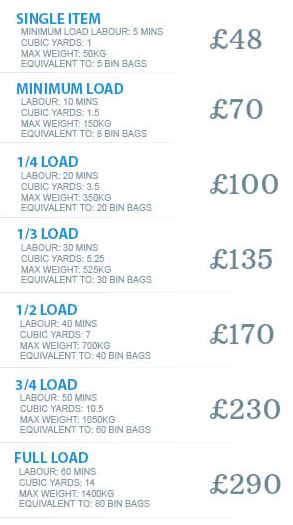
 Tipper Van - Rubbish Removal Prices in Hammersmith, W6
 Luton Van - Rubbish Removal Prices in Hammersmith, W6