Common problems with rubbish disposal in Hammersmith estates
Posted on 01/08/2026
If you live, manage, or work in a Hammersmith estate, you probably already know that rubbish is never just rubbish. One missed collection, one overflowing bin store, or one builder's sack left in the wrong place, and suddenly the whole block feels off. Smells drift. Pests show up. Residents start complaining. And the clean-up bill, if you wait too long, tends to be bigger than anyone hoped.
This guide looks at the common problems with rubbish disposal in Hammersmith estates and, more importantly, what actually helps. We'll cover the everyday faults that cause the mess, the practical fixes that keep things moving, and the decisions residents, landlords, and property managers usually have to make. If you want the short version: most rubbish issues in estates come down to access, timing, tenant habits, and unclear responsibilities. The good news? Most of them are manageable once you know where the pinch points are.
For readers who are dealing with a bigger clear-out, it can also help to understand the wider options available, from regular rubbish collection in Hammersmith to more flexible waste services for bulky or awkward loads.
Let's face it, estates have their own rhythm. Bins fill fast, courtyards are tight, and one person's "I'll deal with it later" can become everyone else's problem by Tuesday morning.

Why common rubbish disposal problems in Hammersmith estates matter
Rubbish disposal in estates is about more than keeping things tidy. In a dense part of West London like Hammersmith, poor waste handling can affect hygiene, resident satisfaction, building reputation, and even how usable shared spaces feel day to day. A bin store that is always packed to the doors sends a message, whether anyone means it or not.
There is also a practical side that people sometimes underestimate. Overflowing waste can block access routes, attract vermin, and create manual handling risks for caretakers or contractors. If large items are left in common areas, they can become trip hazards or obstruct fire exits. That is not just annoying; it can become a safety issue very quickly.
And because estates often have mixed occupancy - owners, tenants, short lets, students, families, office users, even temporary residents - responsibility can get fuzzy. Who put it there? Who should move it? Who books the removal? That uncertainty is often the root of the problem. In our experience, once residents are not clear on the process, rubbish piles up in exactly the same spot every time.
If you want a broader sense of the local housing environment, the article on living in Hammersmith gives useful context on why the area stays busy and why communal services are under constant pressure. The same goes for developments discussed in the Hammersmith property buying guide, where estate layouts and shared facilities can affect how waste is managed from the outset.
Expert summary: Most estate rubbish problems are not caused by one big failure. They are caused by several small ones happening together - weak instructions, awkward access, poor timing, and no one taking ownership.
How rubbish disposal in estates usually works
In a typical Hammersmith estate, waste management is a mix of regular collection, shared bin storage, resident behaviour, and occasional ad hoc clearance. The setup varies from block to block. Some estates have secure bin rooms with multiple streams. Others have external enclosures or underground stores. Some rely on communal bulky waste arrangements. Others need third-party clearance when the bins are no longer enough.
The basic process sounds simple enough: residents bag rubbish, separate recycling if required, place items in the correct store, and collections happen on a schedule. In reality, that neat model gets disrupted by everyday life. Move-outs, refurbishment work, online shopping packaging, and household clear-outs all create extra waste that does not fit the normal rhythm.
That is where the problems begin. Common pain points include:
- bin stores filling too quickly
- incorrect sorting of recycling and general waste
- bulk items left beside bins because they do not fit inside
- tenants using the wrong store or the wrong day
- builders' waste mixed with household rubbish
- collection access blocked by parked cars, locked gates, or poor loading space
It is also worth noting that estates often need different solutions for different waste types. A kitchen clear-out is not the same as a garden tidy-up, and neither is the same as furniture disposal after a tenancy ends. If that sounds obvious, fair enough, but in practice people mix them all the time. For large, mixed, or awkward loads, services such as house clearance, furniture disposal, or junk removal may be more appropriate than trying to force everything into communal bins.
Key benefits and practical advantages
When estate rubbish is handled properly, the benefits show up quickly. Not in a dramatic way, usually. More like a quiet relief. The bin room smells less like a forgotten alley. The caretaker has fewer complaints. Residents stop leaving bags in the wrong place "just for now".
- Cleaner shared spaces: The most obvious benefit, but still the one people notice first.
- Lower pest risk: Less exposed waste means fewer chances for rodents and insects to move in.
- Better resident relations: Clear waste systems reduce friction between neighbours.
- Safer access: Fewer obstructions in corridors, entrances, and bin areas.
- More efficient maintenance: Caretakers and managers spend less time firefighting.
- Better planning for bulky waste: Items are removed before they become a storage problem.
There is also a financial upside, although it is often indirect. If waste is managed consistently, you are less likely to face emergency clearances, repeated call-outs, or damage linked to blocked access and vermin. For landlords and agents, that matters more than people like to admit. A tidy estate can also support the wider impression of the building, which ties into local market perception in ways that are hard to quantify but easy to feel.
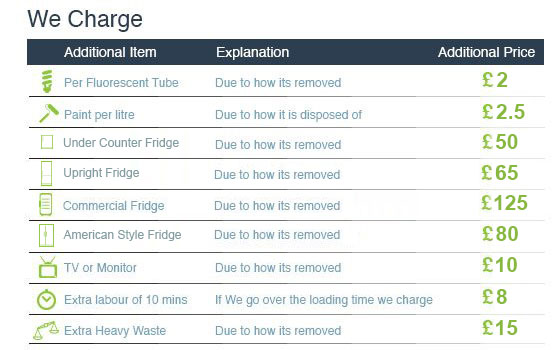
For anyone reviewing cost expectations, the page on pricing and quotes is a sensible place to start before arranging any larger clearance. And if you are comparing options for a block-wide clean-up or an ongoing maintenance arrangement, the broader recycling and sustainability approach can help keep disposal choices practical as well as responsible.
Who this is for and when it makes sense
This topic matters to a lot of different people, not just estate managers. If you are reading this because the bin store in your block has become a bit of a daily dread, you are not alone.
- Residents: Especially if your estate has shared bins, limited storage, or frequent fly-tipping near the store.
- Landlords and letting agents: Particularly around tenancy changes, end-of-lease clear-outs, and bulky waste left behind.
- Property managers: If you need smoother routines and fewer complaints from multiple buildings.
- Caretakers and concierge teams: The people who often see the problem first, and usually when it is already a bit of a mess.
- Contractors and trades: Builders' waste and packaging can overwhelm small estate stores in no time.
It makes sense to tackle the issue early if you notice repeat patterns: the same corner collecting bags, recycling contamination every week, or furniture being abandoned after move-outs. The earlier you intervene, the less likely the problem becomes "normal". And once rubbish becomes normal, fixing it takes much longer than it should.
If your estate is dealing with renovation debris or post-refurbishment waste, the specialist page for builders' waste clearance in Hammersmith is relevant. For smaller but frequent problems, a reliable rubbish clearance service can be more efficient than relying only on the communal bins.
Step-by-step guidance for solving recurring issues
If rubbish problems keep coming back, treat them like a systems issue rather than a one-off annoyance. That shift in mindset helps. Here is a practical way to approach it.
- Identify the actual pressure point. Is it too little bin capacity, poor sorting, blocked access, or bulky waste being dumped beside the store?
- Check usage patterns. Move-outs, weekends, and holiday periods often cause predictable spikes.
- Separate waste types clearly. General waste, mixed recycling, furniture, garden waste, and construction waste should not all be handled the same way.
- Review signage and instructions. Simple labels, visible rules, and photo examples can reduce mistakes more than long notices.
- Make bulky item disposal easy to understand. If residents do not know what to do with a mattress or broken wardrobe, it will probably end up beside the bins.
- Arrange removal before overflow becomes visible. Once rubbish has spread outside the store, the whole area starts to look neglected.
- Record repeat issues. A short log of problem dates, locations, and item types helps identify patterns.
One small but useful tip: make instructions stupidly clear. That is not rude, by the way. It is practical. If people have to read three paragraphs to work out where a cardboard box goes, they will just make their own choice, and that choice is rarely helpful.
For time-sensitive situations, such as a clearance before new tenants arrive, same-day rubbish removal for urgent jobs can be useful. And if a block regularly hosts events or sees short-term spikes in waste, a page like rubbish removal for events at Hammersmith Apollo shows how larger footfall and tighter timing can change disposal needs.
Expert tips for better results
A few small adjustments can make estate waste much easier to manage. None of them are glamorous. All of them help.
- Put the bin store where access is obvious. If residents need to guess where rubbish goes, they will often guess wrong.
- Keep bulky waste out of routine storage areas. A single sofa can block an entire row of bins.
- Use short signs, not essays. Visual reminders work better than legal-sounding notices taped to a wall.
- Schedule clear-outs around tenancy changes. End-of-tenancy waste is one of the biggest causes of estate clutter.
- Plan for garden waste separately. Leaves, cuttings, and soil do not behave like household rubbish, and they can make a bin area ugly very quickly.
- Expect seasonal surges. Moving season, spring clear-outs, and post-holiday periods tend to create extra waste.
There is a common trap here: people wait until the bin area looks terrible before acting. By then, the job is bigger, messier, and slightly more embarrassing. Better to remove waste before the problem becomes visible to the whole street, which, in Hammersmith, can happen sooner than you think because estates are often close to busy roads and foot traffic.
If residents regularly need help with special items, consider linking the process to specific services such as loft clearance, garage clearance, or garden waste removal. The clearer the route, the less dumping you get.

Common mistakes to avoid
Most repeat rubbish problems in estates are made worse by a handful of avoidable mistakes. Some are obvious, some less so.
- Assuming residents already know the rules. They often do not, or only half-remember them.
- Mixing bulky waste with normal collections. It clogs the system and creates resentment.
- Ignoring access issues. If collection crews cannot reach the store easily, delays are almost guaranteed.
- Leaving old items beside bins "temporarily". Temporary rubbish has a habit of staying put.
- Forgetting about contamination. A few wrong items can spoil a whole recycling load.
- Choosing the wrong disposal method for the job. Skip hire, direct collection, and man-and-van style clearance each suit different situations.
A slightly awkward truth: some estates do not have a rubbish problem so much as a consistency problem. The system changes every few months, nobody updates the residents, and the same mistakes keep coming back. That is fixable, but only if someone owns the process.
Tools, resources and recommendations
You do not need fancy software to run a cleaner estate. A few sensible tools and reference points are usually enough.
- Clear signage: Short, waterproof, and easy to read at a glance.
- Incident log: A simple record of when and where waste issues happen.
- Resident notices: Brief updates when collections change or bulky waste needs booking.
- Photo examples: Useful for showing what belongs where without overexplaining.
- Scheduled clearance support: Helpful for regular overflow, move-outs, or communal area clean-downs.
For more about the company's approach to responsible disposal and sorting, the page on recycling and sustainability is worth a look. If you want to understand the wider business and how it handles customer work, about us gives a useful overview. It may sound basic, but knowing who is handling your waste matters. Trust is not a small thing here.
And if you are trying to avoid awkward surprises, the article on avoiding hidden fees for rubbish removal is a smart companion read before you book anything. Nobody enjoys a lovely clean-up job followed by a questionable invoice. Not even slightly.
Law, compliance, standards, and best practice
Waste disposal in the UK is shaped by legal duties and practical standards, and estates need to stay mindful of both. The exact rules can vary depending on the type of property, the nature of the waste, and who is responsible for collection arrangements, so it is wise to treat this as a best-practice area rather than a one-size-fits-all checklist.
In plain English, the key ideas are straightforward: waste should be stored safely, separated properly where required, and handed to a suitable carrier. Shared areas should not be blocked. Hazardous or specialist items should not be treated like ordinary domestic rubbish. And if contractors or residents create waste, someone needs to know how it is being handled.
For estates, good practice usually means:
- keeping bin stores accessible and secure
- preventing waste build-up in fire exits, corridors, and communal walkways
- using clear instructions for recycling and general waste
- arranging proper removal for bulky, garden, or builder's waste
- working with insured and responsible service providers
That last point matters more than it sometimes gets credit for. If a clearance team is dealing with heavy furniture, awkward access, or mixed loads, you want evidence that safety and insurance are part of the process. The page on insurance and safety is useful for understanding that side of the service.
It is also sensible to read the terms and conditions and the privacy policy if you are booking a service on behalf of a block, building, or management company. A bit of admin now saves awkwardness later. Funny how that works.
Options, methods, and comparison table
Different estate waste problems call for different solutions. A small amount of packaging after a few deliveries is one thing; a full flat clear-out is another. Here is a simple comparison to help with decision-making.
| Method | Best for | Pros | Potential drawbacks |
|---|---|---|---|
| Communal bin collections | Routine household waste and recyclables | Simple, familiar, low effort | Can overflow quickly; limited by capacity and timing |
| Skip hire | Large clear-outs, refurbishment waste, mixed bulky debris | Good volume capacity; useful for longer jobs | Needs space and access; may be less practical in tight estates |
| Man-and-van clearance | Bulky items, mixed rubbish, awkward access | Flexible; suitable for quick removal | May cost more for repeated or very large loads |
| Specialist collection service | Furniture, garden waste, loft/garage contents, urgent removals | Tailored to the waste type; less handling stress for residents | Needs clear booking and item details |
There is no single best option for every estate. A small block with easy parking may suit skip hire now and then. A larger estate with limited access might do better with scheduled clearance support and more resident education. The trick is matching the method to the problem, not just reaching for the quickest-looking fix.
For specific needs, these service pages can help point the way: skip hire, waste removal, and office clearance if the estate includes mixed residential and commercial premises.
Case study or real-world example
A typical scenario goes like this. A mid-sized estate near a busy part of Hammersmith has a bin store that works fine most weeks. Then two things happen at once: a few flats turn over, and one resident leaves a mattress and an old wardrobe beside the bins because they do not fit in the communal area. Within 48 hours, packaging starts appearing next to the furniture. Someone else adds a broken chair. A contractor leaves offcuts from minor repairs. The bin crew can still collect the waste inside the store, but the overflow outside is now the first thing people see.
The manager's first instinct is often to add another sign. Sometimes that helps. But in this kind of case, a sign alone does not solve the underlying issue. The estate needs a clear bulky-waste route, a quick removal of the abandoned furniture, and a reminder to residents about what the bin store is for. Once the large items are cleared, the area resets visually. That matters more than people think.
In a similar situation, the estate may benefit from pairing routine collection with targeted support such as furniture disposal or a more general junk removal visit. If the issue is repeated over several move-outs, the best long-term fix is usually a clearer process, not a larger bin. More bins help only when bins are the actual problem.
That little distinction saves a lot of money and frustration, honestly.
Practical checklist
Use this quick checklist if your estate is struggling with waste build-up.
- Check whether the bin store has enough capacity for normal weekly use.
- Confirm that residents know where general waste and recycling should go.
- Look for repeated overflow patterns after weekends or move-outs.
- Remove bulky items quickly before more waste accumulates around them.
- Make sure access routes are clear for collection vehicles and crews.
- Keep signs short, visible, and easy to understand.
- Separate builder's waste from household rubbish.
- Book specialist help for awkward, heavy, or mixed loads.
- Keep a simple log of recurring issues.
- Review the process after any complaint spike.
If several boxes on that list keep getting ticked, the estate probably needs a better waste workflow, not just more effort from residents. And if you are unsure where to start, looking at the available services overview is a practical first move.
Conclusion
The common problems with rubbish disposal in Hammersmith estates usually come down to the same familiar pressures: tight space, mixed usage, awkward timing, and unclear responsibility. None of that is rare. In fact, it is exactly what you would expect in a busy London neighbourhood with shared living spaces and constant turnover. But "common" does not mean "inevitable".
Once you separate routine waste from bulky waste, set clearer expectations, and use the right removal method for the job, things settle down quickly. The estate looks better. Residents complain less. And the day-to-day feel of the place improves in a way that is surprisingly noticeable. You walk past the bin store and, for once, nothing jumps out at you. That is the goal, really.
If your building needs a more reliable approach, it is worth comparing your options early rather than waiting for the next overflow. A little planning goes a long way, and in a shared Hammersmith estate, that kind of calm can be felt by everyone.
Get a free quote today and see how much you can save.




 Tipper Van - Rubbish Removal Prices in Hammersmith, W6
 Luton Van - Rubbish Removal Prices in Hammersmith, W6