Access issues for Hammersmith rubbish removal tips
Posted on 20/08/2026

Access Issues for Hammersmith Rubbish Removal Tips
If you have ever tried to move bulky waste out of a tight London property, you will know the problem is rarely the rubbish itself. It is the access. Narrow stairwells, basement flats, parked cars, shared hallways, awkward mews entrances, and unpredictable lift access can turn a straightforward clearance into a small logistical puzzle. This guide on Access issues for Hammersmith rubbish removal tips is built to help you think ahead, avoid avoidable delays, and make the collection day run as smoothly as possible. A little planning goes a long way here, and honestly, it saves everyone a headache.
Whether you are clearing a flat near King Street, dealing with an office in a busy mixed-use building, or shifting old furniture from a top-floor apartment, the same core rule applies: the easier the crew can reach the waste, the faster and safer the job tends to be. Below, you will find practical advice, common pitfalls, compliance notes, and a few real-world tricks that are useful in Hammersmith specifically.
Why access issues for Hammersmith rubbish removal tips Matters
Access affects almost every part of rubbish removal: timing, labour, safety, vehicle choice, and final cost. In a neighbourhood like Hammersmith, where you get a mix of older buildings, modern apartments, busy roads, and commercial spaces, access problems are common enough that they should be treated as normal planning questions, not awkward surprises.
A collection team can usually work around some challenges, but they need to know about them early. If they arrive expecting easy kerbside loading and instead find three flights of stairs, a locked communal gate, or no stopping space, the job may take longer than planned. That can mean extra labour, a reshuffle of the vehicle position, or a second visit. Not ideal, to be fair.
There is also a safety angle. Rubbish removal often involves lifting heavy items, moving through shared spaces, and navigating surfaces that may be wet, uneven, or cluttered. The tighter the access, the more careful the handling has to be. That matters for workers, for residents, and for the property itself.
If you are already thinking through the wider removal process, it can help to review the services overview alongside this guide so you can match the job to the right type of clearance. For larger jobs in particular, access planning is just one part of getting the whole operation right.
Expert summary: In Hammersmith, access planning is not a nice extra. It is part of the job. The more accurately you describe gates, stairways, lifts, parking, and entry restrictions, the smoother your rubbish removal is likely to be.
How access issues for Hammersmith rubbish removal tips Works
At a practical level, access planning is a simple exchange of information. You tell the removal team how they can reach the waste, what they will need to carry it through, and where they can legally or safely stop the vehicle. They then decide the right crew size, vehicle size, and loading approach. Sometimes it is straightforward. Sometimes it needs a bit of adaptation.
Here is what a good access assessment usually includes:
- Entry route: Is the waste on the ground floor, up a staircase, in a loft, or at the back of a property?
- Width and clearance: Will wardrobes, sofas, desks, or appliance-sized items fit through doors, halls, and turns?
- Parking or stopping point: Is there a legal and realistic place for the vehicle to wait?
- Lift access: Is there a lift, and if so, is it large enough and available at the time?
- Building rules: Are there booking slots, concierge instructions, or security entry procedures?
- Time restrictions: Does the property only allow collections at certain hours?
In many cases, the team will ask for photos or a short description. That is not fussiness. It is one of the best ways to avoid the classic "it looked easy on paper" problem. A quick picture of the hallway, stairwell, or loading point can save a lot of guesswork.
Sometimes the issue is not inside the building at all. It is the street. Busy roads, controlled parking, loading restrictions, school-run traffic, and narrow side access can all change how the job is approached. If your property is near a busier stretch, a route-specific guide like the Hammersmith Broadway rubbish collection options article can help you think through the local traffic and access picture more realistically.
Key Benefits and Practical Advantages
Good access planning does not just make life easier. It creates a few real advantages that people often overlook until they have done one collection the hard way.
1. Faster loading
If the crew can reach the waste without repeatedly navigating doors, stairs, and security barriers, loading becomes far more efficient. That matters when you have a lot of mixed waste or several heavy items.
2. Lower risk of damage
Furniture, walls, banisters, and shared hallways are easier to protect when everyone knows the route in advance. A tight turn in a narrow hallway is exactly where scratches tend to happen. Or worse, dents. The kind you notice later, which is always annoying.
3. Better quote accuracy
Access details help the provider price the job more fairly. A simple kerbside pickup is not the same as carrying a broken sofa down four floors with no lift. If you want to reduce the chance of unwelcome surprises, read the useful advice in avoid hidden fees for Hammersmith rubbish removal.
4. Less disruption for neighbours
In shared buildings, a well-planned route keeps noise, blocked corridors, and waiting time to a minimum. That can matter a lot in converted houses, mansion blocks, and estates where people are coming and going throughout the day.
5. Safer working conditions
When access is known in advance, the team can bring the right equipment and number of people. That reduces awkward lifting and rushed decision-making. Safety might sound like a box-ticking word, but in practice it is about avoiding real, messy problems.
If you are comparing broader removal options, the pricing and quotes page is also useful because access can influence how a quote is shaped, especially where labour time and vehicle access are involved.
Who This Is For and When It Makes Sense
Access planning is useful for almost everyone, but it becomes especially important in a few common situations.
- Flat owners and tenants: Especially if you live above ground floor or in a building with limited lift access.
- Landlords and letting agents: End-of-tenancy clearances can be time-sensitive and access can be patchy if keys, codes, or concierge arrangements are not ready.
- Homeowners in terraced or mews properties: Side returns, rear access, and parking limitations can make the job more involved than expected.
- Office managers: Office clearances often involve reception rules, lift bookings, and set loading windows.
- Builders and renovators: For waste from refurbishments, the route from property to vehicle can be just as important as the waste type itself. See also builders waste clearance in Hammersmith.
It also makes sense when you are dealing with awkward items: wardrobes, mattress bases, filing cabinets, section sofas, old gym equipment, and the sort of garden waste that looks small until you actually start moving it. A little pile at the back of a garden can be fine. A compost heap that has quietly become a small mountain is another matter.
For people handling bigger residential clear-outs, services such as house clearance in Hammersmith, loft clearance in Hammersmith, or garage clearance in Hammersmith can be especially affected by access constraints.
Step-by-Step Guidance
Here is a practical way to handle access issues without overcomplicating things.
- Measure the route. Check door widths, stair width, tight corners, ceiling height, and lift dimensions if relevant. You do not need architectural precision, just enough to spot obvious problems.
- Identify the collection point. Decide where the waste will be placed before the crew arrives. A single, central point is easier than scattered bags in three rooms.
- Photograph the tricky bits. Take pictures of gates, staircases, parking spaces, rear lanes, basement steps, and communal entrances. A few photos can explain more than a long message.
- Note building rules. Share any booking requirements, key access arrangements, concierge procedures, or restricted collection times.
- Check parking reality. Can a vehicle stop nearby? If not, how far will items need to be carried? That distance matters more than people think.
- Group items logically. Put bulky items together and keep smaller bags in one place. If waste is spread out, the team will spend more time hunting than lifting.
- Communicate hazards. Mention broken glass, sharp metal, damp floors, low lighting, or anything that could create a slip or cut risk.
- Confirm the plan before the day. A quick final message or call can stop small misunderstandings becoming larger ones.
One thing worth saying plainly: if access is very limited, do not assume it means the job cannot be done. It may just mean the approach needs adjusting. Sometimes that is a smaller vehicle, sometimes a different arrival time, sometimes an extra person. Every site has its own little personality, as odd as that sounds.
Expert Tips for Better Results
These are the kinds of small details that tend to make a real difference on the day.
Use the quietest route available
In shared buildings, the route that disturbs the fewest people is usually the best route, even if it is a little longer. Fewer doorways and fewer bends can also mean fewer opportunities for accidental scuffs.
Prepare the waste near the exit, not deep inside the property
Moving items to an accessible staging point before the crew arrives is often the easiest win. A hallway corner, lobby area, or garden gate can be enough, as long as it does not block escape routes or communal access.
Do not forget basement and rear access
Many Hammersmith homes and conversions have access that looks simple from the front, then becomes awkward once you realise the waste is actually in the basement or rear garden. The "front door only" assumption causes more delays than people expect.
Be honest about item size
If a wardrobe is oversized, say so. If the mattress is awkwardly bent or the sofa is an old corner unit that does not separate cleanly, mention it. There is no prize for under-describing the job.
Keep the loading area clear
On collection day, the path should be as uncluttered as possible. Shoes, plant pots, prams, bicycles, and random storage boxes can all turn a simple carry into a stop-start dance.
Think about timing, not just access
Sometimes the access itself is fine, but the time of day is terrible. School traffic, delivery vans, and rush-hour footfall can all slow the process. If the job is urgent, it may be worth looking at same-day Hammersmith rubbish removal for urgent jobs to understand how speed and access planning interact.

Common Mistakes to Avoid
Most access problems are not dramatic. They are usually small assumptions that stack up. Here are the ones worth avoiding.
- Assuming the lift will be available: Lifts can be booked, shared, or temporarily out of service.
- Leaving parking until the last minute: A vehicle that cannot stop legally or safely can stall the whole job.
- Ignoring narrow turns: A sofa may fit through a doorway and still fail at the corner just beyond it.
- Forgetting the distance from road to waste: Ten extra metres can matter, especially with heavier items.
- Not telling the team about security access: Codes, keys, fobs, and concierge instructions need to be ready.
- Overcrowding the exit route: Bags stacked in a hallway can create more delay than the rubbish itself.
- Hiding the awkward stuff: If the hardest item is not disclosed, the quote may be off and the crew may need to adjust on arrival.
The biggest mistake, though, is treating access as someone else's problem. It is not. It is shared planning. And the more you help the crew understand the site, the more smoothly they can work.
Tools, Resources and Recommendations
You do not need a van full of specialist gear to prepare properly. A few simple tools and habits are usually enough.
- Measuring tape: Useful for checking widths, heights, and awkward corners.
- Phone camera: Quick pictures of access points are often more helpful than written descriptions.
- Notepad or notes app: Keep track of codes, timings, and building rules.
- Door wedges or labels: Handy if you are moving a lot of items internally and need to keep pathways clear while staying safe.
- Gloves and basic protective gear: Helpful if you are handling broken or dusty items before collection.
If you are unsure which service format fits your property, start with the general rubbish clearance in Hammersmith or rubbish collection in Hammersmith pages and then narrow it down based on the type of waste and the level of access.
For sustainability-minded readers, the recycling and sustainability page is a good companion read. Access planning and recycling sorting often go hand in hand because better organisation usually means better recovery of reusable or recyclable materials.

Law, Compliance, Standards, or Best Practice
Access issues often sit alongside broader obligations around safety, waste handling, and property management. You do not need to become a legal expert, but a few common-sense standards are worth keeping in mind.
First, waste should be handled by people who operate responsibly and follow the usual UK expectations for lawful disposal and safe collection practices. If you are a landlord, managing agent, or business owner, it is sensible to make sure your chosen provider is appropriately set up for the job. For peace of mind, review pages like insurance and safety and terms and conditions so expectations are clear before collection day.
Second, if you are responsible for a building, access arrangements should not block fire exits, shared walkways, or emergency routes. That sounds obvious, but in busy communal properties it can become an issue quickly if bags or furniture are left in the wrong place.
Third, accessibility matters in the human sense too. Not every household or office can move items easily, and some access challenges relate to mobility, not just logistics. That is one reason the site's accessibility statement is relevant in a broader trust context. It is a reminder that practical access should be handled thoughtfully, not carelessly.
Finally, be realistic. If the job involves unusually difficult access, say so. Clear information is not just helpful; it is the respectful thing to do. Truth be told, most collection issues come from uncertainty rather than the property itself.
Options, Methods, or Comparison Table
When access is tricky, there are usually a few ways to approach the job. The right choice depends on the property layout, the waste type, and how quickly the clearance needs to happen.
| Method | Best for | Access considerations | Typical practical note |
|---|---|---|---|
| Kerbside collection | Waste already placed near the road | Needs legal stopping space and easy transfer | Fastest when the property can stage items safely outside |
| Carry-out from inside the property | Most home and office clearances | Stairs, lifts, hallways, and door widths matter | Good for organised clear-outs if the route is known in advance |
| Rear access or garden access | Terraced homes, garden waste, garage clearances | Watch for narrow side passages or locked gates | Very efficient when the route is open and unobstructed |
| Staged collection by room | Large or mixed waste jobs | Requires planning and item grouping | Useful where access is fine but the volume is high |
| Specialist vehicle/crew setup | Oversized, heavy, or awkward items | Needed where stairs, turns, or weight make the job harder | Best when access details are disclosed early |
If you are weighing up skip-style options against a man-and-vehicle collection, it may also help to compare with skip hire in Hammersmith. In some tight-access situations, one approach is clearly more practical than the other. Not always, but often enough.
Case Study or Real-World Example
Imagine a two-bedroom flat above a parade of shops near a busy road in Hammersmith. The customer wants to clear an old sofa, two wardrobes, a chest of drawers, and a stack of bags from a spare room. At first glance, it seems simple. The waste is all indoors, and the job is not especially large.
Then the details come out. The property has a narrow internal staircase, the lift is too small for the wardrobes, parking outside is limited during the day, and there is a security gate that needs a code. Suddenly the clearance is no longer a quick in-and-out job. It is still manageable, but the crew needs a different approach.
In a case like that, the most helpful actions are usually:
- sending a photo of the stairwell;
- confirming the gate code in advance;
- leaving the hallway completely clear;
- moving small items into one room so they can be carried in batches;
- choosing a collection time with lighter street traffic.
That kind of preparation often turns a stressful job into a boringly efficient one. And boringly efficient is exactly what you want, really. No drama, no guessing, no awkward "actually, that sofa won't fit" moment at the bottom of the stairs.
If the same property were an office, the access questions would be different: lift booking, reception sign-in, floor protection, and maybe a narrow loading window. For that type of work, the office clearance in Hammersmith page is a useful supporting read.
Practical Checklist
Use this before collection day. It is simple, but it catches most problems early.
- Have I checked where the waste is located?
- Have I measured any tight doors, stairs, or lift openings?
- Do I know where the vehicle can stop or load?
- Have I shared access codes, keys, or concierge instructions?
- Have I mentioned any sharp, broken, heavy, or awkward items?
- Is the path from the waste to the exit clear?
- Are building rules or time restrictions confirmed?
- Have I sent photos of the tricky access points?
- Do I know whether the job needs a specialist approach?
- Have I checked whether related items should go together, such as furniture or garage waste?
If you can tick most of those boxes, you are in a much better position than average. And if one or two answers are still unclear, sort them out before the team arrives. It really does help.
Conclusion
Access problems are part of rubbish removal in Hammersmith, but they do not have to become your problem. With a few measurements, a couple of photos, and clear communication, most collections can be planned sensibly from the start. The payoff is a quicker job, safer handling, fewer delays, and a better overall experience for everyone involved.
Whether you are clearing a flat, an office, a garden, or a mixed bag of old items that has somehow grown legs and spread across three rooms, the same principle holds: good access planning makes the whole job feel calmer. And in a busy part of London, calm is underrated.
Get a free quote today and see how much you can save.
If you are ready to talk through a difficult entry route, a tight stairwell, or a collection that needs a bit more thought, the best next step is to reach out and describe the layout as clearly as you can. A short, honest description now can save a lot of back-and-forth later, and that is usually worth its weight in time.


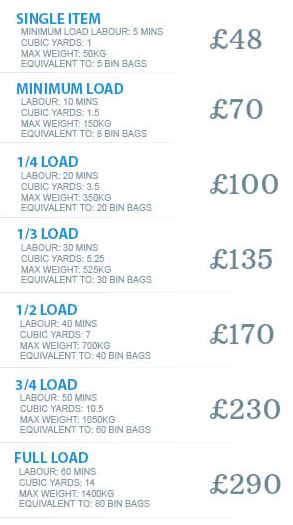
 Tipper Van - Rubbish Removal Prices in Hammersmith, W6
 Luton Van - Rubbish Removal Prices in Hammersmith, W6